So, I just met with the realtor – We think we can sell my condo for about 180K. I owe about 144K on the mortgage. After breaking my mortgage, lawyer fees for new home purchase, realtor fees for new home purchase, etc…I’ll probably have 20K left over. Not as much as I’d like for living in it for 10 years. But better than a kick in the pants.

However, I currently pay about 790 in Mortgage, 390 in condo fees. So about $1200 a month total. I could rent it out for about 1600$ a month. Principal is being paid down right now at about 200$ a month.
I have zero landlord experience. But I thought I could get a property manager. Would they take care of most of the work? I don’t need to sell the condo to buy the new home. (We have 100K saved). The condo is in an excellent location near a university, and it would likely be rentable. We have steady jobs as both a teacher and a health care worker. If I sell, I’ll probably never have a rental property again. Also, we have no debt other than this current mortgage and our upcoming home purchase. Excellent credit. 40K on a line of credit if needed.
I could also take that 20K and put it in a TFSA of some kind. Let it grow. Maybe that’s easiest and least risky.
The condo is in Sask.
Thoughts?
Here’s my analysis. I know which decision I’d make. Hopefully it helps you to make an informed decision.
Option 1 (Stocks): total benefit of $73,200 over 20 year duration.
- After 20 years, your $20K will be worth ~$93.2K; a gain of $73.2K
- The above assumes that you obtained average returns of 8% per year, compounded annually.
Option 2 (Real Estate): total benefit of $407,807 over 20 year duration. ($294,951 + $112,856)
- After 20 years, it is anticipated that the real estate will be worth $294,951
- Assuming 20-year mortgage at 5.24% interest on average.
- Assuming 2.5% average real estate property value appreciation per year, compounded annually.
- During those 20 years, you will have collected $112,856 positive cashflow over 20 years.
- Assuming an increase in rental income each year by 3%.
- Assuming property management fees of ~12% of rental income, so that you can outsource property management. ($1,600 x 12 x 12% = $2,304)
- Assuming $2K per year of repairs in addition to the condo fees (internal unit repairs).
- At the 20 year mark, your mortgage balance will be $0
- Moving forward your positive cashflow will be significantly higher (+$790 monthly, as there is no more mortgage). Congrats!
On top of all the above, I left out the biggest benefit of real estate investment, being able to write off all mortgage interest payments on your income taxes to reduce your legal tax exposure for the entire duration while you retain the investment property. Additionally, there are other taxation benefits that can be leveraged in appropriate situations (e.g. depreciation of real estate to offset capital gains, etc.)
So, with that, it’s your choice, but as you can see the option of keeping the real estate will deliver 557% better returns from year 0 to 20; and even better returns thereafter as you will no longer have a mortgage on the property, delivering you positive cashflow in perpetuity moving forward.
Reference Worksheet:
| Year | Stocks | Real Estate | Real Estate | Real Estate |
| Value | Value | Annual Cashflow | Mortgage | |
| 0 | $20,000 | $180,000 | $0 | $144,000 |
| 1 | $21,600 | $184,500 | $4,200 | $139,779 |
| 2 | $23,328 | $189,113 | $4,326 | $135,334 |
| 3 | $25,194 | $193,840 | $4,456 | $130,652 |
| 4 | $27,210 | $198,686 | $4,589 | $125,742 |
| 5 | $29,387 | $203,653 | $4,727 | $120,552 |
| 6 | $31,737 | $208,745 | $4,869 | $115,087 |
| 7 | $34,276 | $213,963 | $5,015 | $109,331 |
| 8 | $37,019 | $219,313 | $5,165 | $103,287 |
| 9 | $39,980 | $224,795 | $5,320 | $96,906 |
| 10 | $43,178 | $230,415 | $5,480 | $90,186 |
| 11 | $46,633 | $236,176 | $5,644 | $83,109 |
| 12 | $50,363 | $242,080 | $5,814 | $75,670 |
| 13 | $54,392 | $248,132 | $5,988 | $67,823 |
| 14 | $58,744 | $254,335 | $6,168 | $59,560 |
| 15 | $63,443 | $260,694 | $6,353 | $50,859 |
| 16 | $68,519 | $267,211 | $6,543 | $41,704 |
| 17 | $74,000 | $273,891 | $6,740 | $32,055 |
| 18 | $79,920 | $280,739 | $6,942 | $21,894 |
| 19 | $86,314 | $287,757 | $7,150 | $11,194 |
| 20 | $93,219 | $294,951 | $7,365 | $0 |
| Total: $112,856 |
 Last night I met with a colleague of mine who said she didn’t have any money to invest in her retirement. As it turns out, within five minutes I found several instances where she was believing her own lies. The biggest one? Her car costs as much as her mortgage… that’s nuts!
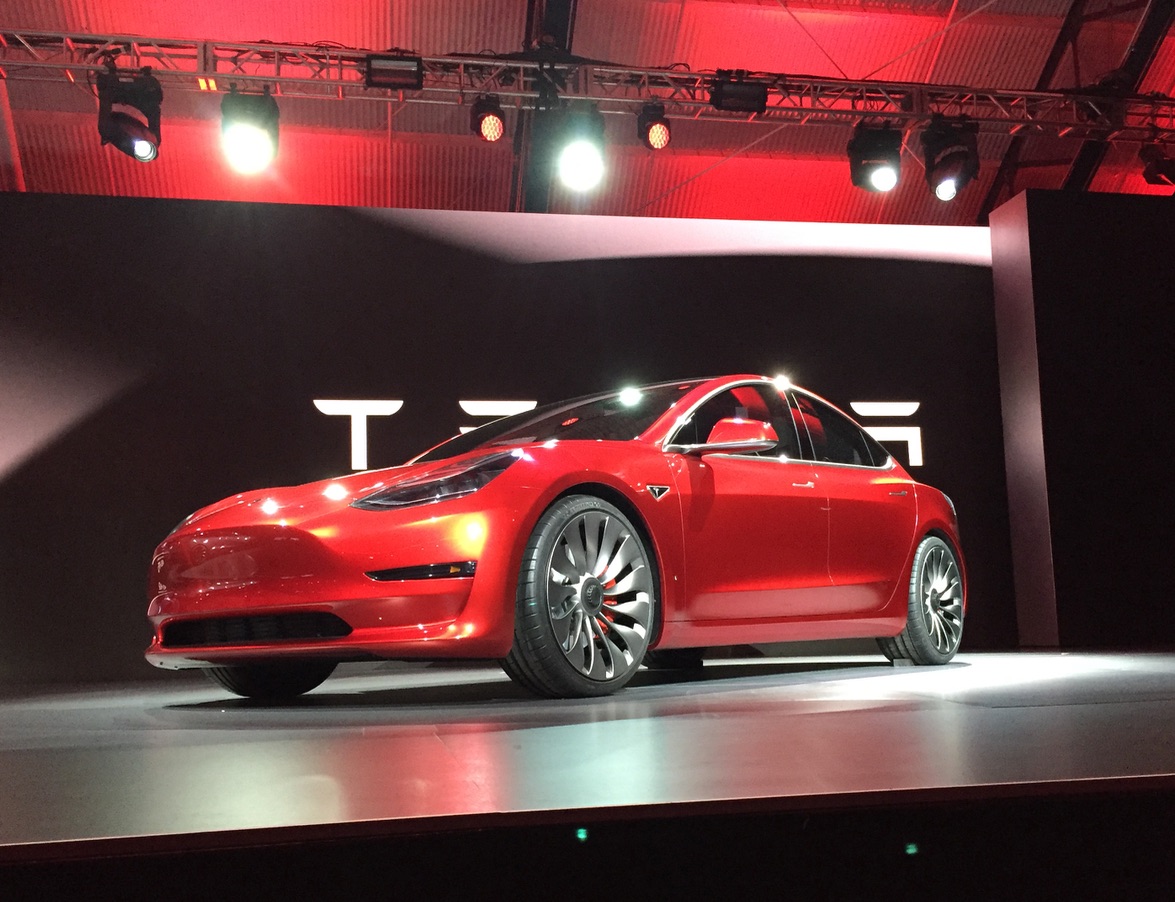 The new Tesla Model 3 is only $35K? That’s at least what their advertising would like you to believe. It’s only a “bit more” expensive than your last vehicle purchase. Maybe it’s finally time to get on that; you’ll save so much money on gas too!
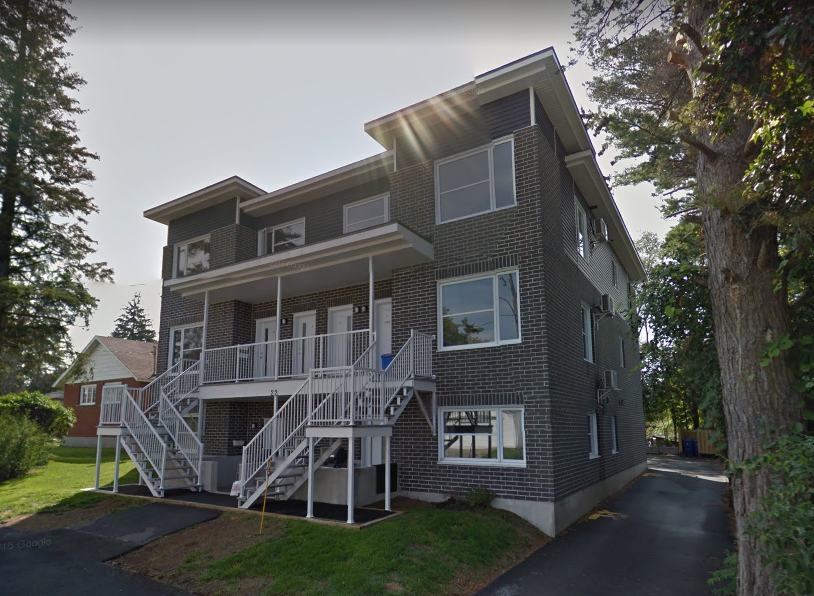 In 2015, we purchased this luxury 6-plex for $960K with indoor parking, central air, four 3 bedrooms/2 bathroom units and two 1 bedroom 1 bathroom units. Each year we’ve been close to cashflow neutral, earning absolutely no monies from positive cashflow. Many of my startup students ask in bewilderment, “Why bother?”
 Last year, my friend bought a cottage for $180K. His down payment was 25%, or $45K. This year he boasted to me that he had made $18K in a year off the cottage. It was recently appraised at $195K (+$15K equity) and he rented it out a few times this summer to earn $3K in additional cashflow. Not a bad return right? $18K total. If only it was true…



 Amplify Your Investments and Achieve Financial Freedom